Designing for Ambition: Why SaaS Tech Needs Character
How editorial layout structures, bold serif typography, and asymmetrical grids are saving modern software from uniformity.
The Great SaaS Homogenization
If you browse ten startup websites today, you will encounter the same aesthetic formula: a dark background, a glowing neon gradient, a generic sans-serif title claiming to 'empower your workflow,' and a mock dashboard frame floating in space. By relying on pre-made UI kits and tailwind templates, startups have traded distinction for speed.
This uniformity is dangerous. When your site looks like everyone else's, your product is perceived as a commodity. To command a premium, ambitious startups must inject character into their digital platforms.
If your brand identity lacks friction, it has no memory. True luxury relies on distinction, not convenience.
The Monograph Layout: Editorial as Structure
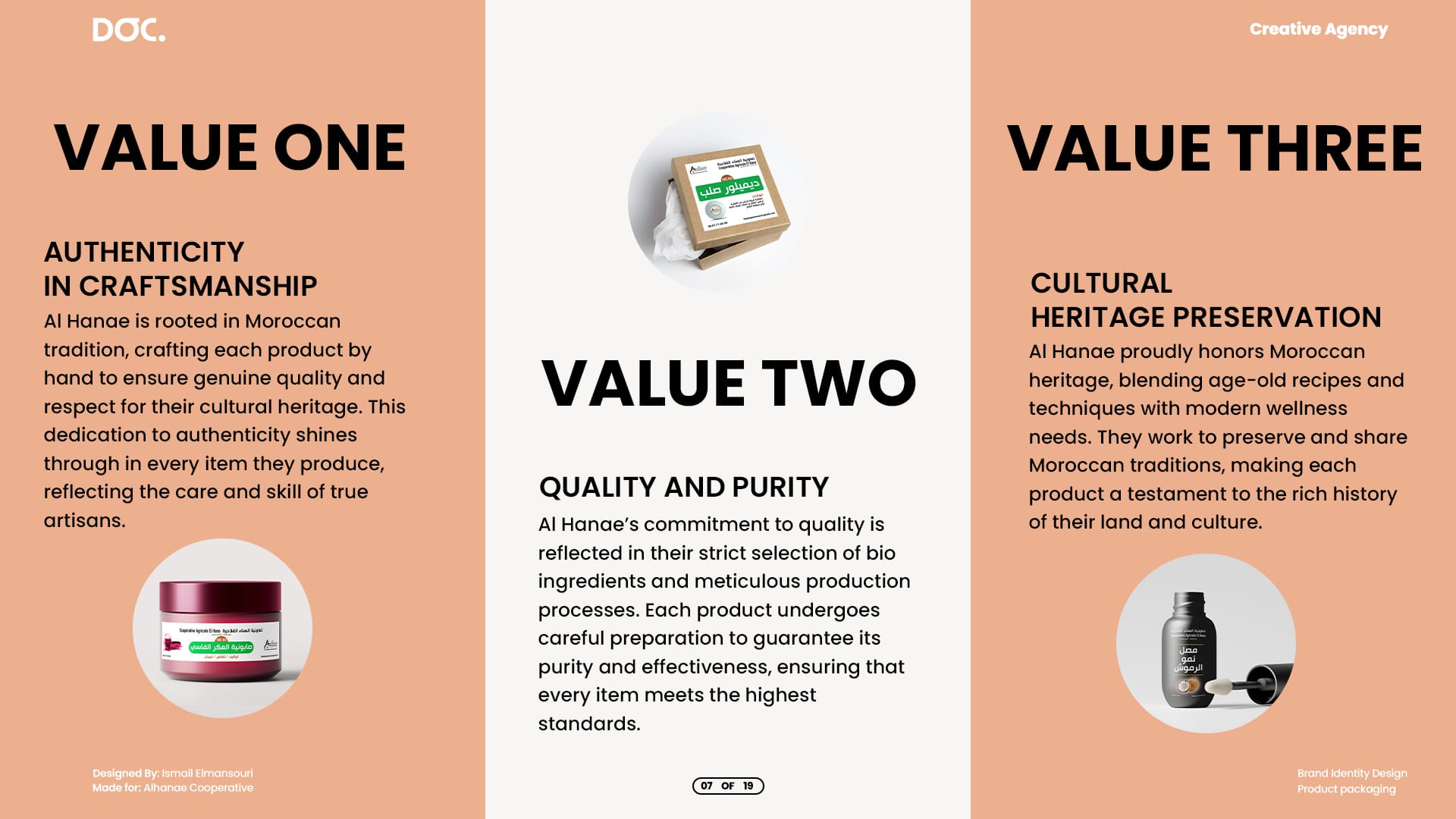
To build software interfaces with character, we look to print monographs, historical design manuals, and premium editorial magazines. This involves utilizing structured, asymmetrical grids, high-contrast serif headers (like Playfair Display), and monospaced layout labels that suggest careful construction, rather than standard dashboard widgets.
Furthermore, we treat whitespace not as 'empty space' to be filled with features, but as a design element. Just as a museum places a single sculpture in a wide room, we use empty canvas margins to focus attention and project authority. This layout language signals to the user that we are deliberate about our work.