Beyond Flat: The Rise of Tactile 3D Renderings
Swapping corporate vector art for titanium shaders, diffuse glass, and natural afternoon shadows in product design.
The Death of Corporate Friendliness
For a decade, tech startups hid behind flat, vector characters with disproportionate limbs and corporate pastel hues. It was safe, scalable, and entirely forgettable. Today, consumers have developed an absolute immunity to this generic brand friendliness. They crave character, structure, and weight. The response is a massive industry shift toward hyper-tactile 3D renderings.
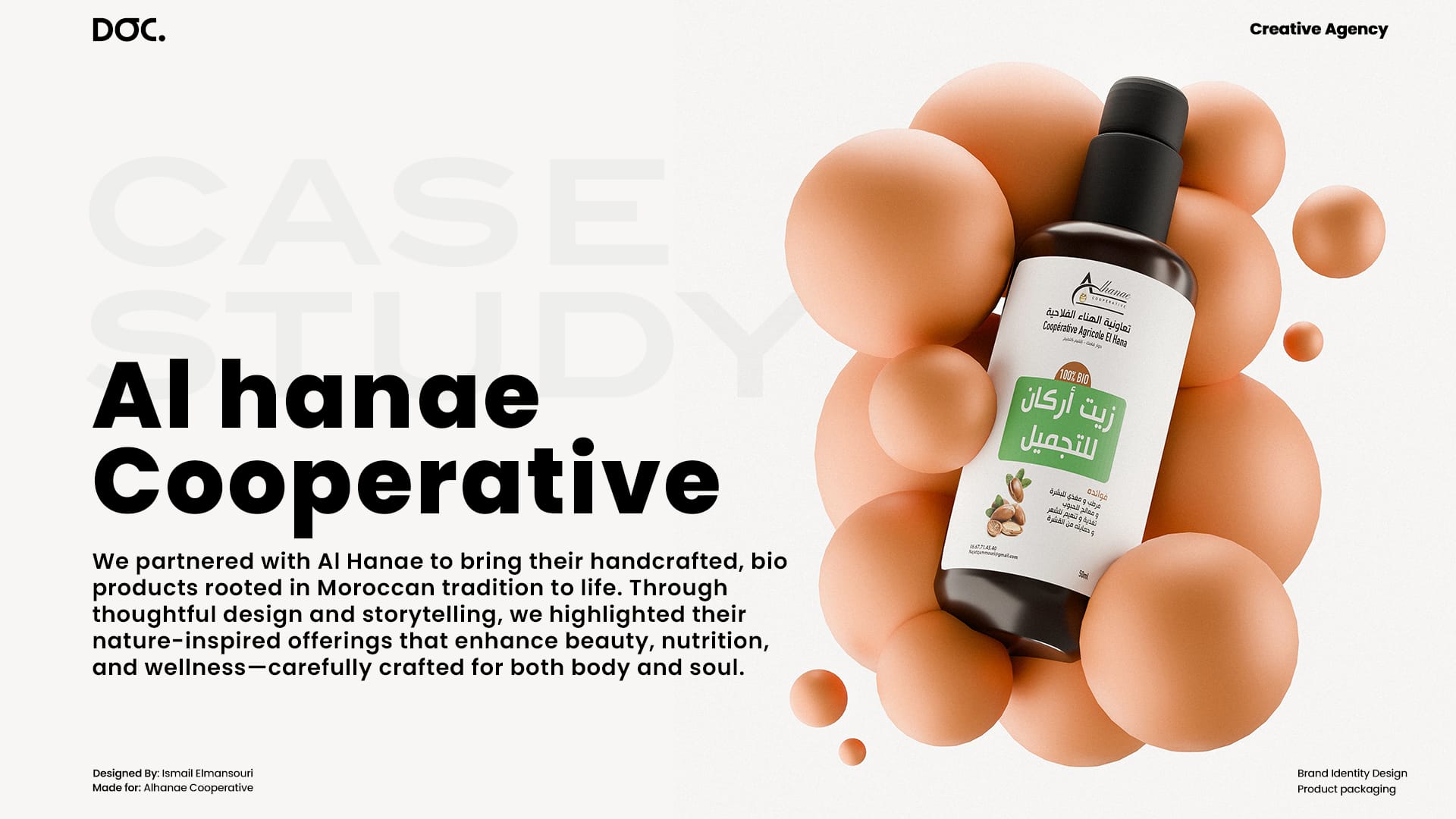
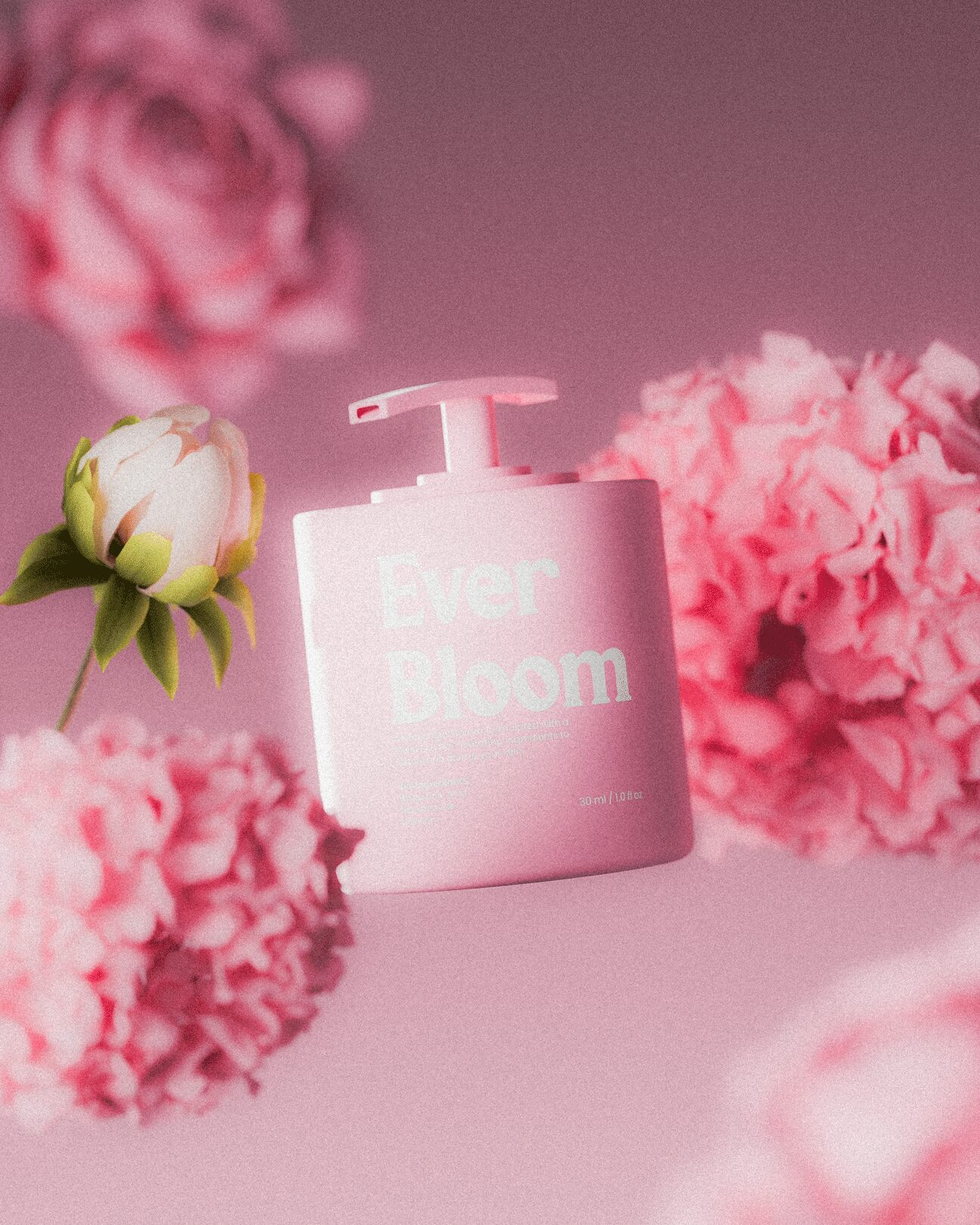
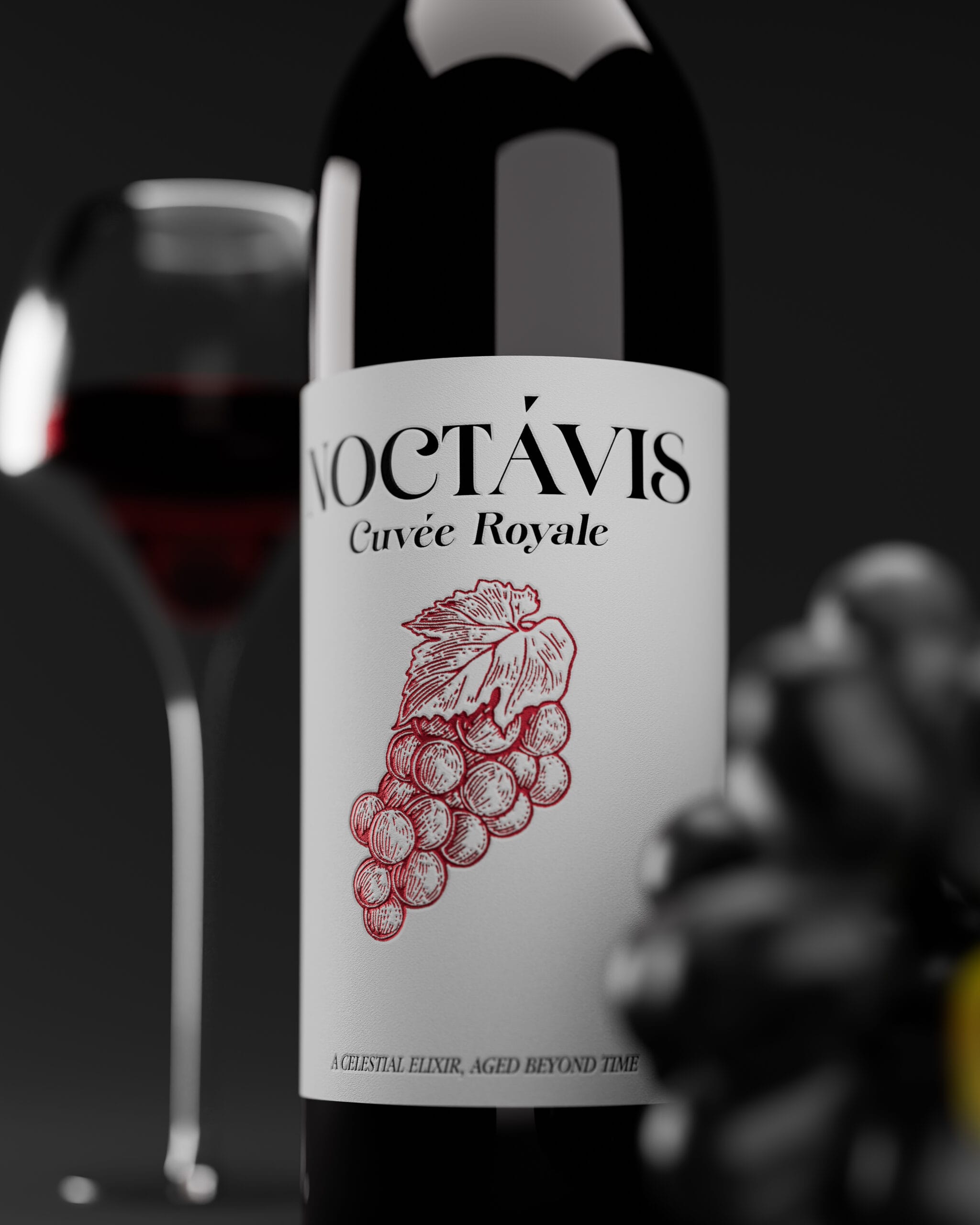
Tactile rendering doesn't just show the product; it sets it in an environment you can feel. By designing realistic material shaders—such as brushed titanium, coarse sandstone, matte ceramic, and hand-woven linen—we bridge the trust gap instantly, presenting software and hardware not as conceptual codes, but as physical assets of real value.

Environmental Storytelling & Atmosphere
A premium 3D asset should never exist in a void. Solid grey studio sweeps feel sterile and commercial. Instead, we place digital models in architectural contexts. We simulate natural afternoon light streaming through large grid-window panes, casting diffuse shadow lines across the scene. We add dust particles, wood textures, and textile wrinkles.
Technology becomes human when it lives in the dark, warm spaces of our homes, not the cold vacuum of a rendering engine.
This contextual approach changes the customer's response. Instead of seeing an expensive gadget, they see a design object that complements their living environment. The rendering ceases to be an advertisement and becomes a portrait of craft.